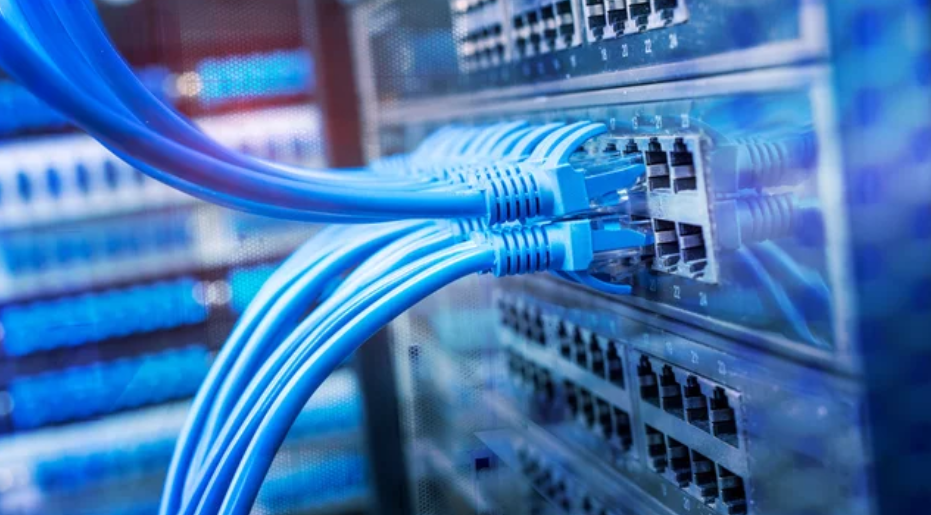
Artificial Intelligence (AI) is transforming industries across the globe, and computer networking is no exception. As organizations become increasingly dependent on digital infrastructure, the complexity of managing networks continues to grow. Traditional network management methods often struggle to keep pace with modern demands, including cloud computing, remote work, Internet of Things (IoT) devices, and ever-evolving cybersecurity threats.
AI is revolutionizing computer networks by introducing intelligent automation, predictive analytics, enhanced security, and self-optimizing capabilities. These innovations are enabling businesses to build faster, more reliable, and more secure networks while reducing operational costs and improving efficiency.
This article explores how AI is reshaping computer networks and what the future holds for intelligent networking technologies.
Understanding AI in Computer Networks
AI in networking refers to the use of machine learning, data analytics, and intelligent algorithms to monitor, manage, optimize, and secure network infrastructure.
Unlike traditional networking systems that rely heavily on manual configuration and reactive troubleshooting, AI-powered networks can analyze vast amounts of data in real time, identify patterns, predict issues, and make automated decisions.
The result is a smarter network that continuously adapts to changing conditions and business requirements.
The Growing Complexity of Modern Networks
Today’s networks are significantly more complex than those of the past.
Organizations must manage:
- Cloud environments
- Hybrid infrastructures
- Remote workforces
- Mobile devices
- IoT ecosystems
- Data centers
- Cybersecurity challenges
These interconnected systems generate enormous volumes of network data. Manual monitoring and management are no longer sufficient to maintain optimal performance.
AI provides the intelligence needed to process this information efficiently and respond to network conditions in real time.
Automated Network Management
One of the most significant benefits of AI is automation.
Traditional network administrators often spend countless hours performing routine tasks such as:
- Monitoring network traffic
- Configuring devices
- Diagnosing issues
- Updating policies
- Managing performance
AI automates many of these responsibilities, allowing IT teams to focus on strategic initiatives.
Benefits of Automated Management
- Reduced operational workload
- Faster problem resolution
- Improved network availability
- Greater consistency
- Lower human error rates
Automation enables organizations to manage increasingly complex networks with greater efficiency.
Predictive Network Maintenance
Traditional network management is often reactive. Problems are addressed only after users experience disruptions.
AI introduces predictive maintenance by identifying potential issues before they cause failures.
Through continuous monitoring, AI can detect:
- Performance degradation
- Hardware failures
- Traffic bottlenecks
- Configuration errors
- Capacity limitations
By predicting problems in advance, organizations can take corrective action before service interruptions occur.
This proactive approach significantly improves network reliability and user satisfaction.
Enhanced Network Security
Cybersecurity has become one of the most critical concerns for organizations worldwide.
AI is transforming network security by providing advanced threat detection and response capabilities.
Real-Time Threat Detection
AI systems continuously analyze network traffic and user behavior to identify unusual activities.
Potential threats include:
- Malware infections
- Unauthorized access attempts
- Data breaches
- Insider threats
- Distributed Denial-of-Service (DDoS) attacks
Unlike traditional security tools that rely heavily on predefined rules, AI can detect previously unknown threats by recognizing abnormal behavior patterns.
Faster Incident Response
When suspicious activity is detected, AI-powered systems can automatically:
- Isolate affected devices
- Block malicious traffic
- Alert security teams
- Initiate remediation procedures
This rapid response minimizes damage and reduces the impact of cyberattacks.
Intelligent Traffic Optimization
Network traffic volumes continue to increase due to cloud applications, video streaming, remote collaboration, and connected devices.
AI helps optimize network performance by analyzing traffic patterns and dynamically adjusting resource allocation.
Dynamic Bandwidth Management
AI can prioritize critical applications and allocate bandwidth based on business needs.
For example:
- Video conferencing may receive priority during meetings.
- Mission-critical applications may be allocated additional resources.
- Non-essential traffic may be delayed during peak usage periods.
This intelligent management improves overall network efficiency and user experience.
Self-Healing Networks
One of the most exciting developments in AI-powered networking is the emergence of self-healing networks.
Self-healing systems can:
- Detect network issues automatically
- Diagnose root causes
- Implement corrective actions
- Restore services without human intervention
For example, if a network device fails, AI can reroute traffic through alternative paths to maintain connectivity.
This capability reduces downtime and improves network resilience.
AI and Software-Defined Networking (SDN)
Software-Defined Networking (SDN) separates network control from physical hardware, providing greater flexibility and centralized management.
When combined with AI, SDN becomes even more powerful.
AI-enhanced SDN can:
- Optimize routing decisions
- Improve traffic engineering
- Adjust policies dynamically
- Enhance security controls
- Respond to changing network conditions automatically
This combination creates highly adaptable and intelligent network environments.
Improving Cloud Network Performance
Cloud computing has become a fundamental component of modern IT infrastructure.
AI helps organizations optimize cloud networking by:
- Monitoring cloud workloads
- Managing resource utilization
- Predicting capacity requirements
- Identifying performance bottlenecks
- Enhancing application delivery
AI ensures that cloud-based services remain reliable, efficient, and responsive to user demands.
AI in Wireless Networks and 5G
The expansion of wireless technologies and 5G networks is generating unprecedented levels of data traffic.
AI plays a critical role in managing these complex environments.
Applications include:
Network Optimization
AI continuously adjusts network parameters to maximize performance.
Spectrum Management
Intelligent systems improve wireless resource allocation and reduce interference.
User Experience Enhancement
AI predicts user demand and optimizes service delivery accordingly.
These capabilities are essential for supporting future wireless technologies and connected ecosystems.
Supporting the Internet of Things (IoT)
The rapid growth of IoT devices presents significant networking challenges.
Organizations must manage millions of connected devices generating continuous streams of data.
AI helps by:
- Monitoring device behavior
- Identifying anomalies
- Managing network traffic
- Enhancing security
- Predicting maintenance needs
Without AI, managing large-scale IoT environments would become increasingly difficult.
Data-Driven Decision Making
AI enables network administrators to make better decisions through advanced analytics.
By analyzing historical and real-time data, AI provides insights into:
- Network performance trends
- User behavior patterns
- Security risks
- Resource utilization
- Capacity planning
These insights support strategic planning and help organizations optimize their network investments.
Benefits of AI-Powered Networking
Organizations implementing AI-driven networking solutions can achieve numerous advantages:
Increased Efficiency
Automation reduces manual tasks and improves productivity.
Improved Reliability
Predictive maintenance and self-healing capabilities minimize downtime.
Enhanced Security
AI strengthens threat detection and response.
Better Performance
Intelligent optimization improves speed and user experience.
Reduced Costs
Automation and proactive management lower operational expenses.
Greater Scalability
AI enables networks to grow and adapt more effectively.
These benefits make AI a valuable asset for organizations seeking competitive advantages in a digital world.
Challenges of Implementing AI in Networks
Despite its advantages, AI adoption presents certain challenges.
Data Quality Requirements
AI systems depend on accurate and comprehensive data for effective decision-making.
Integration Complexity
Organizations may face challenges integrating AI with existing infrastructure.
Skill Gaps
IT teams require specialized knowledge to deploy and manage AI-driven solutions.
Privacy and Compliance Concerns
Organizations must ensure that AI systems comply with data protection regulations.
Addressing these challenges is essential for maximizing the value of AI investments.
The Future of AI in Computer Networks
The future of networking is increasingly intelligent and autonomous.
Emerging developments include:
- Fully autonomous networks
- Advanced predictive analytics
- AI-driven cybersecurity ecosystems
- Intelligent edge computing
- Self-learning network architectures
- Enhanced 6G network management
As AI technologies continue to evolve, networks will become more adaptive, efficient, and capable of supporting future digital innovations.
Conclusion
Artificial Intelligence is fundamentally changing the way computer networks are designed, managed, and secured. By introducing automation, predictive maintenance, intelligent traffic management, advanced cybersecurity, and self-healing capabilities, AI is helping organizations overcome the growing complexity of modern networking environments.
As businesses continue to embrace cloud computing, IoT, remote work, and next-generation connectivity, AI will play an increasingly important role in ensuring network performance, reliability, and security. Organizations that invest in AI-powered networking solutions today will be better equipped to meet the challenges of tomorrow’s digital landscape.
The revolution in computer networking has already begun, and AI is at the center of this transformation, paving the way for smarter, faster, and more resilient networks across the world.
Also Read :